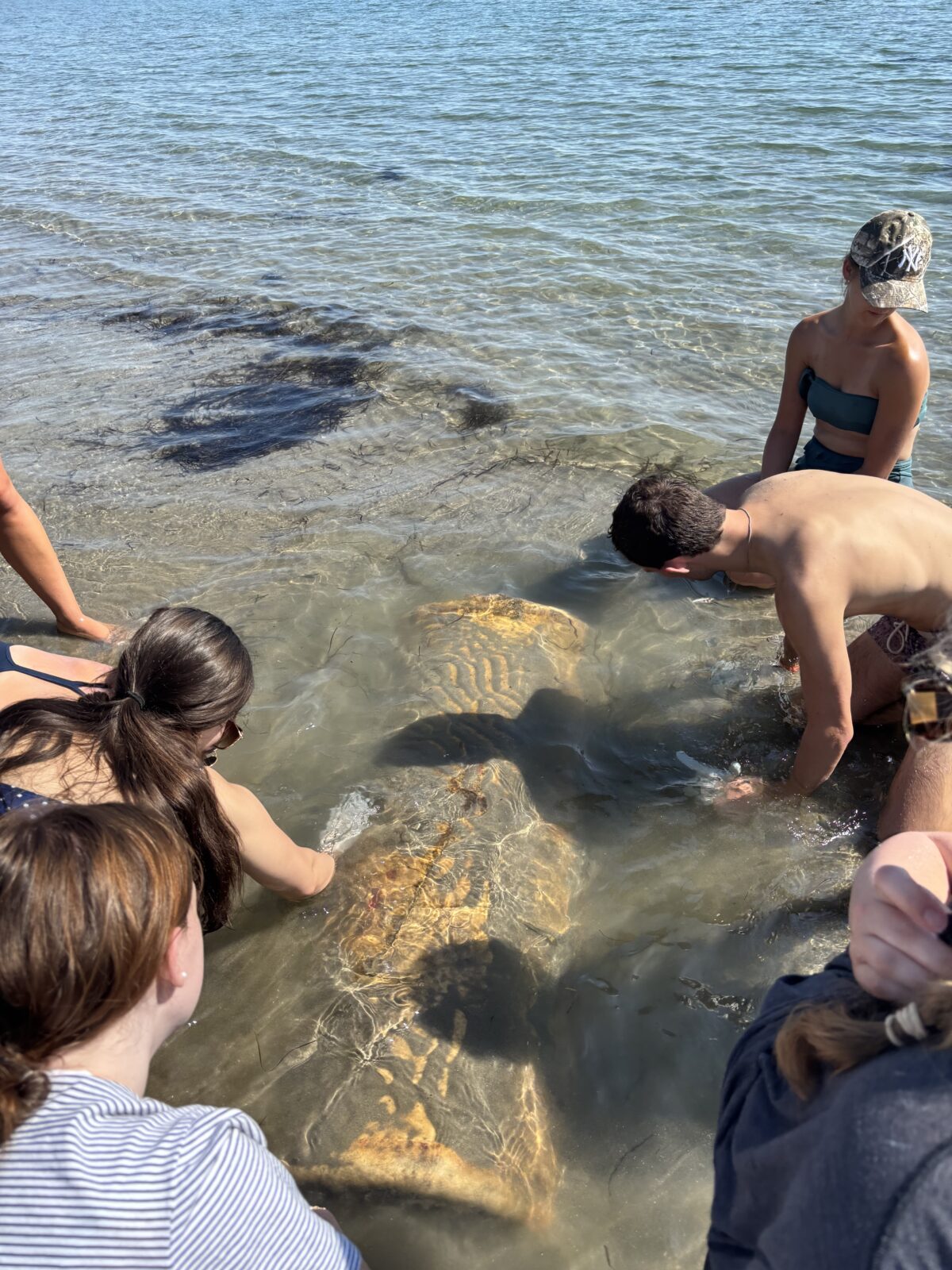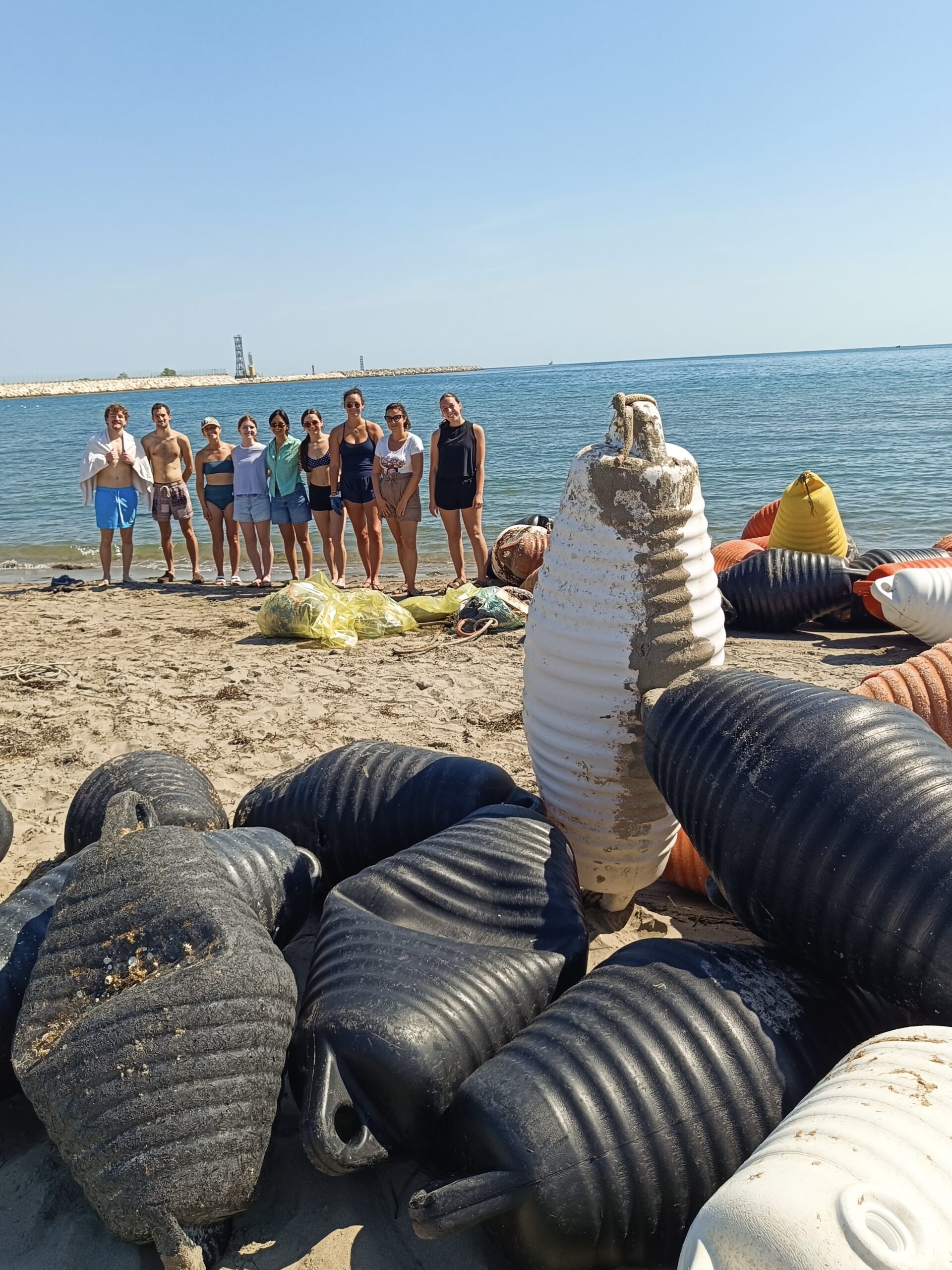
On Friday, September 4, VLPF organised a gamified cleanup of marine debris in coperation with Wake Forest University on a section of Pellestrina beach. This is part of the 20,000 kg plastic removal challenge VLPF coordinates within the HEUROPE REMEDIES alongside HEUROPE SeaClear 2.0 and JOINABLE projects.
Wake Forest University belongs to the Venice Community of Practice against marine pollution, established by VLPF under the SeaClear2.0 project.
Fifteen people, including students and professors participated, split into two teams, “The Plastics” and “The Lagoonatics,” competing to remove the highest amount of marine litter and buoys along the stretch of coast. This marks the second year Wake Forest University and VLPF have joined forces, building on the university’s ongoing role within the Venice Community of Practice. The event was carried out using the SeaClear2.0 app dedicated to instruct clean up initiatives with diversified gamification options.
Together, the combined efforts of VLPF, Wake Forest University and Veritas removed a certified 529.72kg of marine litter. The main items found were mussel fishing nets and large buoys, directly linked to mussel farming, the primary economic activity just a few miles from this stretch of coast, an activity that is far from sustainable.
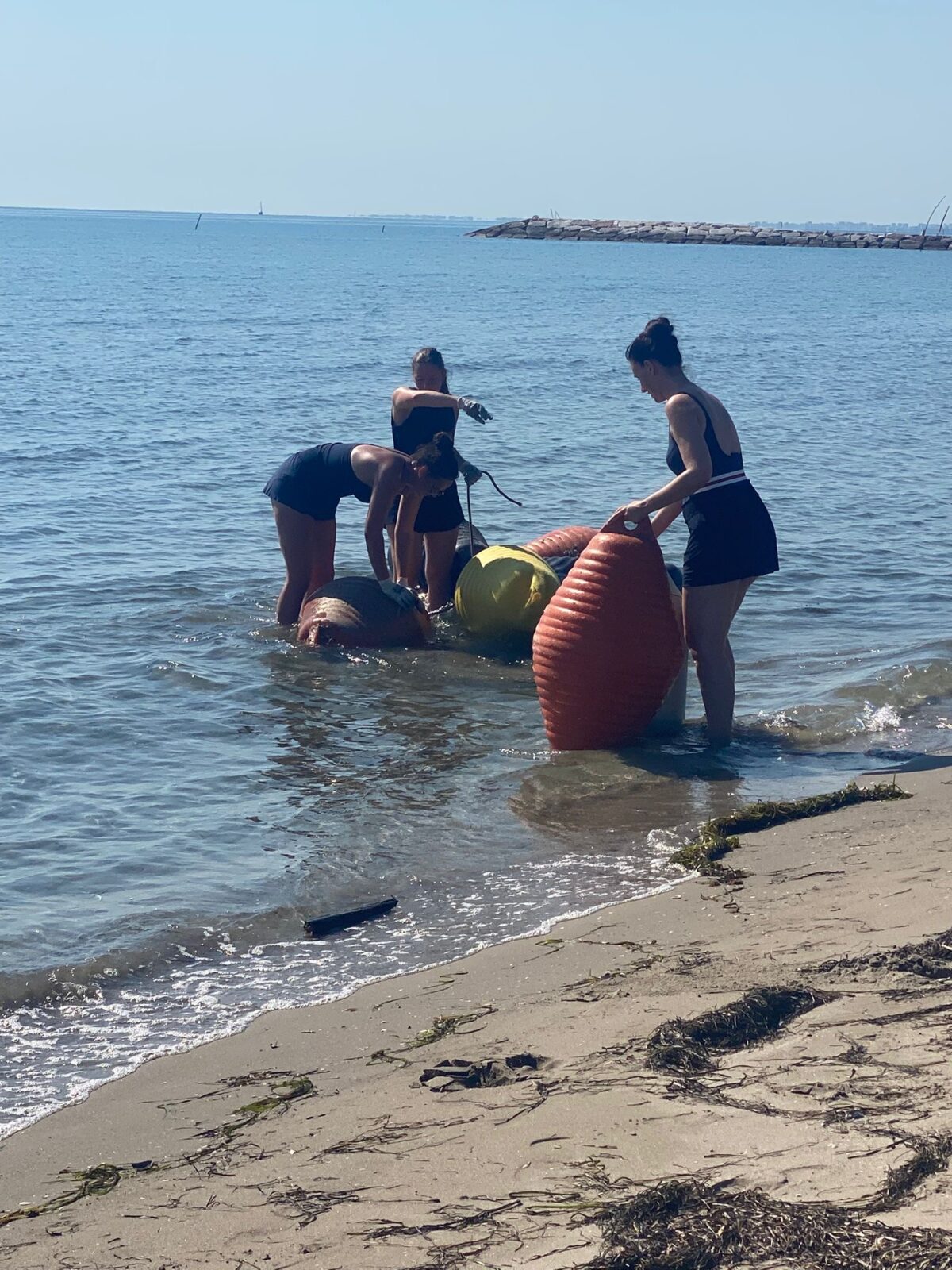
The students thus had a firsthand experience, through a playful contest between two teams, of the presence and removal of marine waste along our coastlines, which helped to develop awareness of the ubiquity of such a widespread and severe problem.
VLPF thanks Wake Forest University and all the students and professors involved for their dedication, Veritas for disposing of the litter , and the Capitaneria di Porto along with the Comune di Venezia for their institutional support and for the permits needed to carry out the activity.
Cleanups will not solve plastic pollution scourge on their own. However, they prevent macroplastic from further breaking down into microplastic and it being released into nature. These activities are also a tangible act of care for our natural and cultural heritage and that is why VLPF keeps organising them.